
How Speech Sounds Can Impact Reading and Spelling
Many parents are surprised to learn that speech and literacy are closely connected. When a child has difficulty producing certain speech sounds, those challenges can sometimes affect reading, spelling, and overall classroom learning as well.
Speech development is not only about how words sound when spoken aloud. It also involves how children hear, organize, remember, and use sounds in language. These skills play an important role in learning to read and write.
The Connection Between Speech and Literacy
Learning to read requires children to understand that letters represent sounds. This skill is called phonological awareness, the ability to notice and work with sounds in words.
Children use phonological awareness when they:
rhyme words
break words into syllables
identify beginning and ending sounds
blend sounds together to read words
spell words by listening to individual sounds
When speech sound difficulties are present, these tasks can become more challenging.
For example, a child who has difficulty distinguishing or producing sounds like /r/, /l/, /s/, or /th/ may also struggle with:
sounding out unfamiliar words
spelling patterns correctly
reading fluently
recognizing sound differences in words
This does not mean every child with speech difficulties will have reading challenges. However, the two areas are often connected.
Signs Parents May Notice
Some signs that speech and literacy skills may both need support include:
difficulty pronouncing multiple sounds past the expected age
trouble rhyming or identifying sounds in words
frustration during reading tasks
frequent spelling errors
difficulty sounding out words independently
avoiding reading aloud
These challenges can sometimes affect confidence in the classroom as children get older.
How Speech Therapy Can Help
Speech therapy can support both communication and foundational literacy skills. During therapy, children may work on:
accurate speech sound production
listening for sound differences
breaking words into sounds
blending sounds together
strengthening phonological awareness skills
When these foundational skills improve, children often become more confident in both speaking and academic tasks.
Early Support Matters
Early intervention can make a meaningful difference. Supporting speech sound development early may help strengthen the building blocks needed for reading and writing success later on.
Every child develops differently, and support should always be individualized to their needs. If you have concerns about your child’s speech or literacy development, consulting with a speech-language pathologist can help determine the best next steps.
At The Claude Speech and Language Therapy, therapy sessions are designed to support communication skills in ways that carry over into everyday learning, confidence, and connection.
Now Accepting New Clients
Now Accepting New Clients
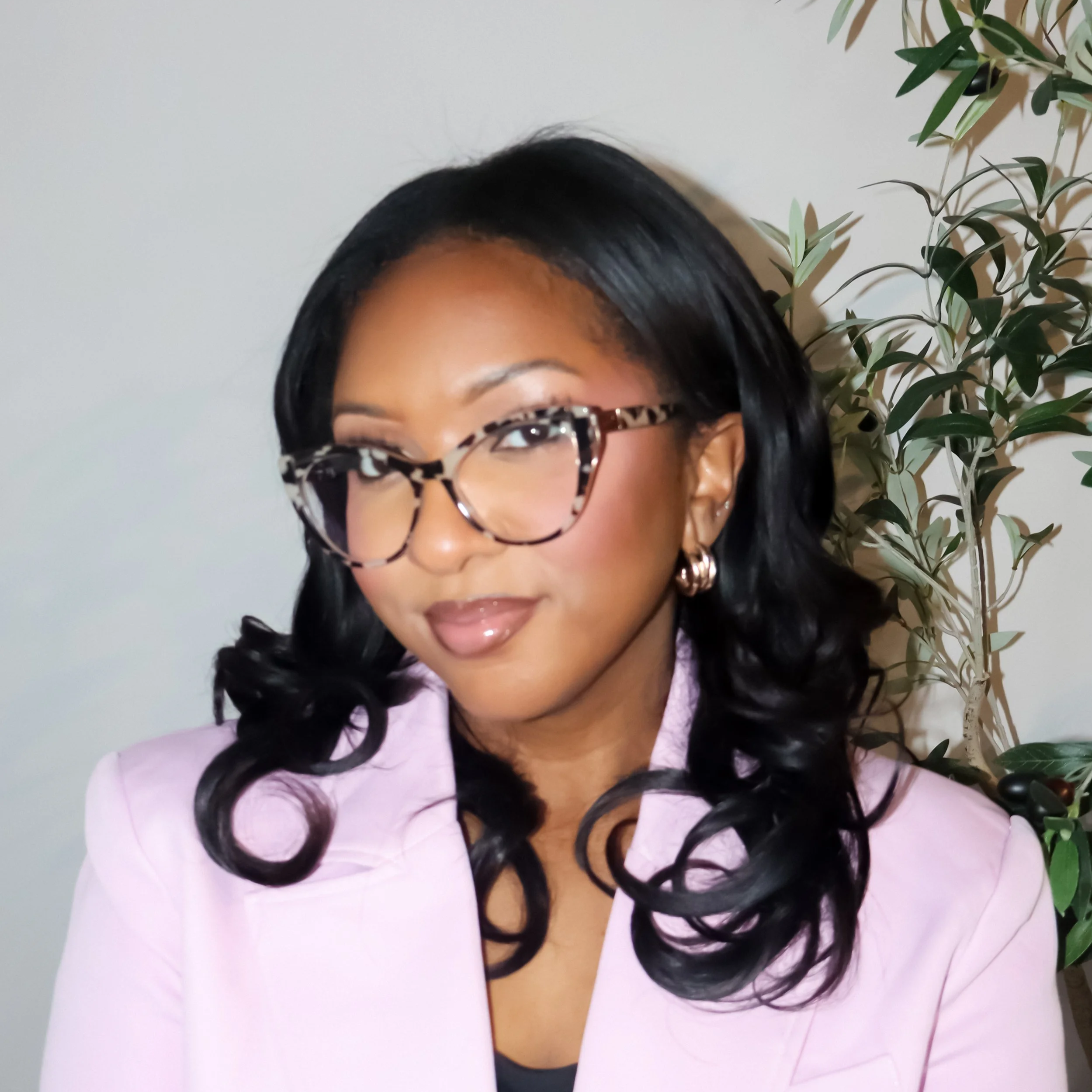
I’m Quanasia, a speech-language pathologist and the owner of The Claude Speech and Language Therapy. I provide private speech, language, and literacy support for children ages 5-18. I work with families who want individualized, thoughtful care that supports communication, learning, and confidence. Reach out today to learn more.