
School Speech Therapy vs. Private Speech Therapy: What Parents Should Know
Many parents feel unsure about whether school speech therapy is enough support for their child. If your child has an IEP or receives speech services at school, you may wonder if additional help outside of school would make a difference.
Both school-based and private speech therapy play important roles, but they serve different purposes. Understanding the difference can help you decide what level of support is best for your child.
School Speech Therapy: Support for Educational Access
Speech therapy in schools is designed to help students succeed in the classroom. Services are provided through an Individualized Education Program (IEP) when a communication difficulty impacts a student’s ability to access their education.
Since school speech therapy is part of the educational system, services often focus on skills that directly affect learning. This may include areas such as:
Understanding and following classroom directions
Participating in discussions or presentations
Using language for reading and writing tasks
Social communication with peers
School speech therapists work hard to support many students across different grade levels. Sessions are often held in small groups, and the frequency of therapy is determined by what the school team believes is needed for educational progress.
For many students, this level of support is appropriate and helpful.
However, some families find that their child may benefit from additional, individualized speech therapy outside of school.
Private Speech Therapy: Individualized and Flexible Support
Private speech therapy focuses on the child as a whole, not just the classroom environment. Therapy can target a wider range of communication skills and can be adjusted based on the child’s specific needs and goals.
Private sessions are typically:
One-on-one
More individualized
Flexible in scheduling and goals
This allows therapy to move at a pace that is tailored to the child.
Private speech therapy may focus on areas such as:
Speech sound development and clarity
Expressive and receptive language skills
Social communication and conversation skills
Executive functioning and language organization
Carryover of skills into everyday life
Can Children Receive Both?
Yes. Many children benefit from both school and private speech therapy at the same time.
School services focus on academic access, while private therapy can provide additional support to strengthen communication skills more deeply.
Some families choose private therapy when they:
Want more frequent support
Want individualized sessions
Feel their child needs help beyond what the school can provide
Want to continue therapy during school breaks or summer
Both types of services can work together to support a child’s communication development.
How to Know if Private Speech Therapy Might Help
You may want to consider private speech therapy if:
Your child does not qualify for school services but still struggles with communication
You want additional support outside of school
Your child would benefit from more individualized attention
Private therapy can provide an opportunity to work on communication skills in a focused setting designed around your child.
What Private Speech Therapy Sessions May Look Like
Private speech therapy sessions are designed to meet each child where they are and support their communication goals in a structured but engaging way.
During sessions, therapy may include activities such as:
Interactive games that encourage conversation and language use
Structured practice for speech sounds
Problem-solving and storytelling activities
Support for organizing thoughts and expressing ideas clearly
Sessions are individualized so that children can build communication skills step by step while feeling comfortable and supported.
Parents are also kept informed about what their child is working on and how to support progress outside of sessions.
When Parents Often Reach Out for Private Speech Therapy
Families often begin exploring private speech therapy when they notice things like:
Their child becomes frustrated when trying to explain something
Teachers mention communication difficulties in class
Speech is difficult for others to understand
Progress in school therapy feels slower than expected
Their child would benefit from more individualized support
If any of these situations sound familiar, a consultation can help determine whether additional support may be helpful.
Private Speech Therapy in King of Prussia
At The Claude Speech and Language Therapy, we provide individualized speech and language therapy for children ages 5–18. Sessions are designed to support each child’s communication skills in a way that feels supportive, structured, and engaging.
If you’re wondering whether private speech therapy might be helpful for your child, we’re happy to talk with you.
To learn more about services or schedule a consultation to discuss your child’s needs, contact us today by clicking here: https://www.theclaudetherapy.com/contact
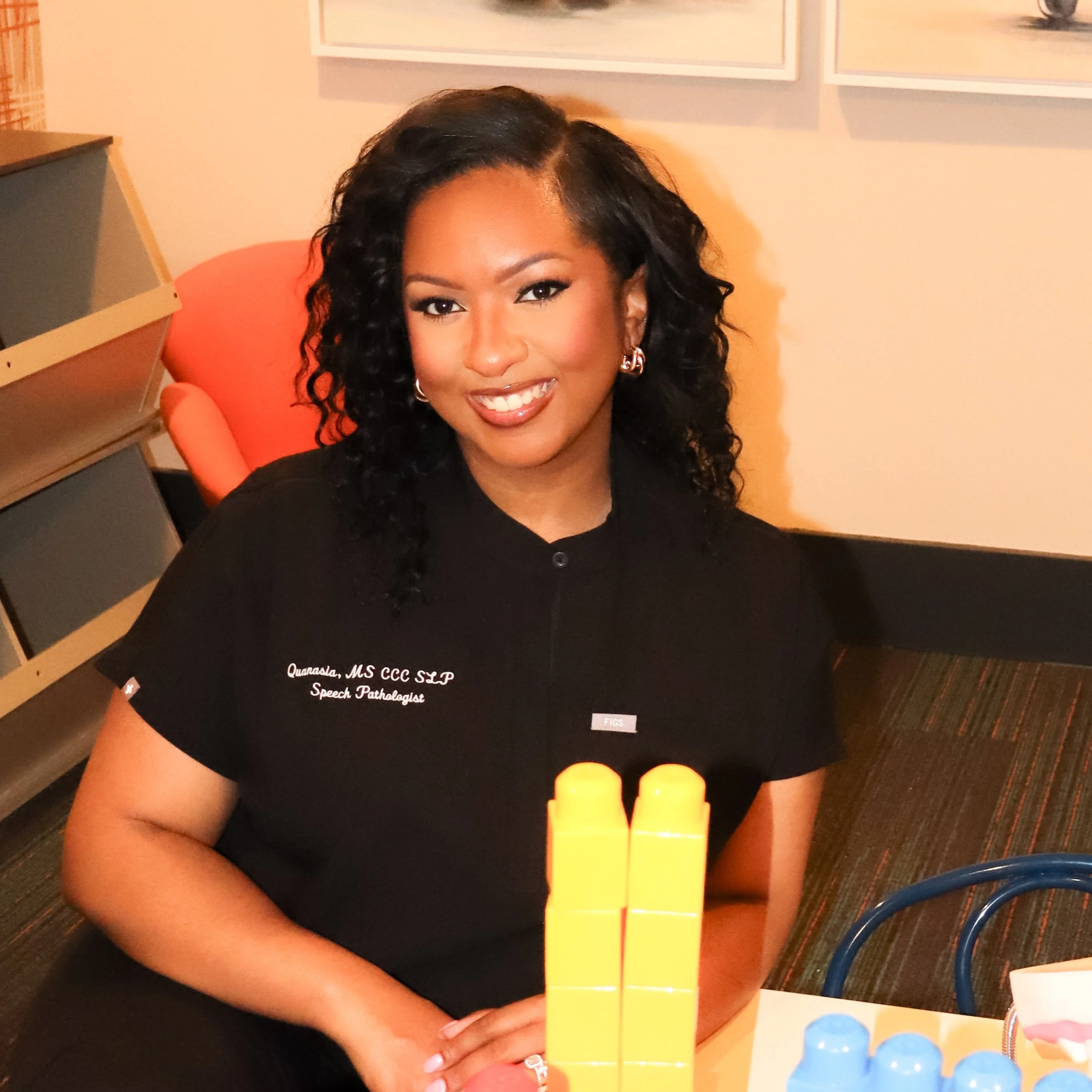
I’m Quanasia, a speech-language pathologist and the owner of The Claude Speech and Language Therapy. I provide private speech, language, and literacy support for children ages 5-18. I work with families who want individualized, thoughtful care that supports communication, learning, and confidence. Reach out today to learn more.